Common situations
When these electrician services may help.
- A new electric vehicle and a planned home charging location
- Replacement or relocation of existing charging equipment
- Questions about panel capacity or a dedicated circuit
EV Charger Electrician Services
EV charger electrician services connect the selected vehicle and charging equipment with a suitable home circuit based on the parking arrangement, desired charging performance, route, protection, mounting, panel location, and available property capacity. Provide equipment and site details before the scope is planned.
Direct answer
Chicago EV charger electrician services for home EV and Tesla charging, circuit planning, panel-capacity evaluation, routing, mounting, and property coordination.
Level 1 charging generally uses a 120-volt connection, while Level 2 home charging commonly uses a dedicated 240-volt circuit. Actual charging performance depends on the vehicle, onboard charger, equipment, circuit, and settings.
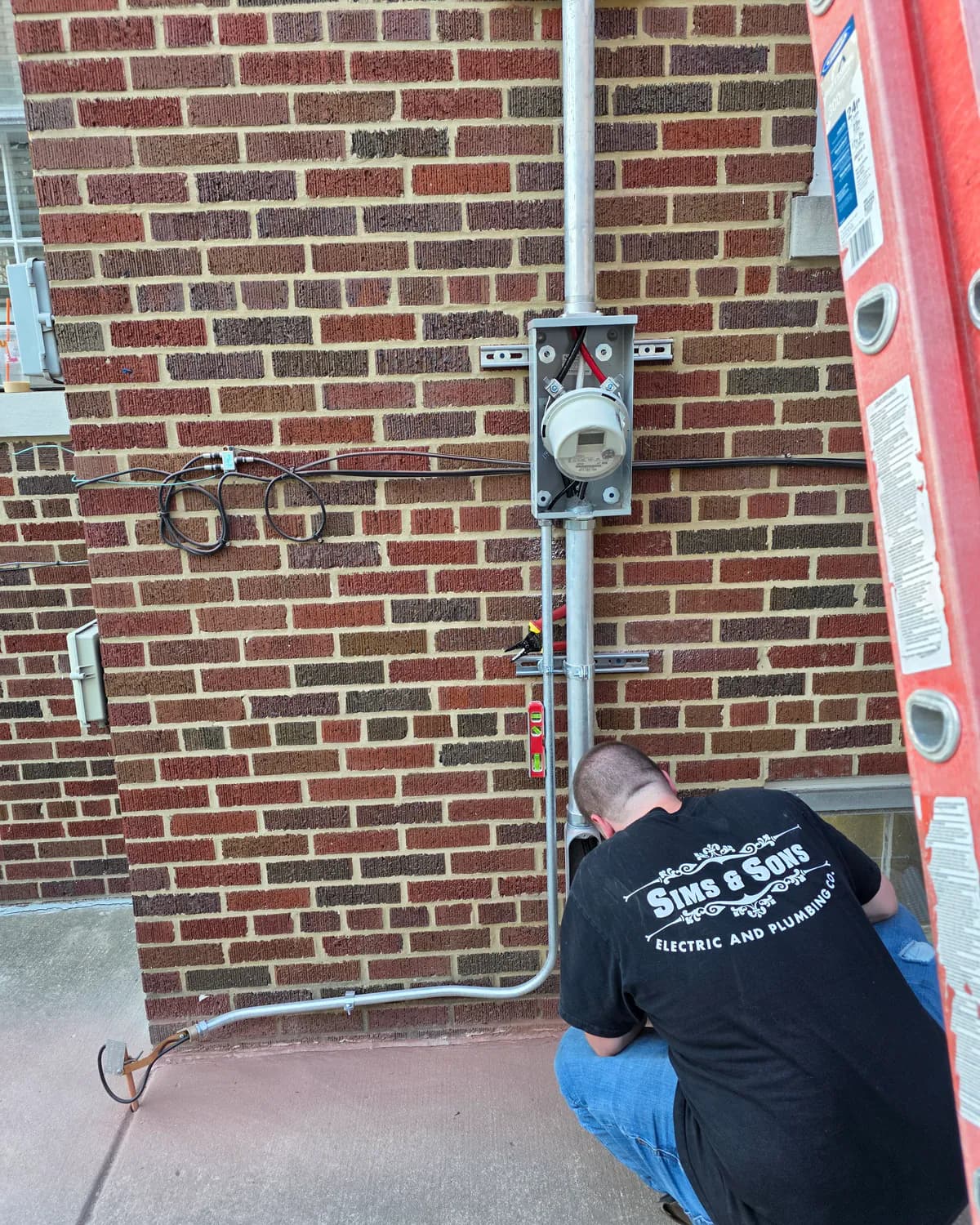
The charger, cable route, parking rights, panel location, available capacity, weather exposure, mounting, metering, and property approvals can all influence the project.
Who these services help
Service fit still depends on the property address, requested work, access, authorization, and conditions found.
How we can help
Each link opens a detailed, indexable electrician service page with its own symptoms, scope, process, preparation guidance, and frequently asked questions.
Common situations
Choosing a path
What to expect
Prepare the request
Condominium, rental, and managed properties may require owner or association coordination before installation planning is complete.
Related electrician service categories
Electrician guides
Use the guide library for warning-sign and decision support, not live repair instructions or unsafe do-it-yourself testing.
Questions
Provide the vehicle, charger model or candidate equipment, desired charging location, parking arrangement, panel location, complete address, photographs, and property-management requirements.
No. Equipment requirements, existing loads, panel condition, and available capacity must be evaluated before a panel upgrade or another capacity solution is recommended.
Level 1 generally uses 120 volts and is slower. Level 2 commonly uses a dedicated 240-volt circuit and can charge faster. Actual performance varies by vehicle, equipment, circuit, and settings.
It may be possible, but parking rights, common areas, metering, routing, association or owner approval, mounting, and capacity can materially affect planning.
Regional coverage
Find your neighborhood or suburb, then share your address so we can confirm availability for your project.
Get help now
Share the complete property address, symptoms or project goal, affected areas, equipment information, and any inspection documents. Call instead for urgent electrician warning signs.